
Key Takeaways:
- Rent-to-own allows you to move into a property now while using a portion of your monthly rent to build credit toward buying the house later.
- Many families choose low-income rent-to-own homes because they provide a way to secure a house even if you have a low credit score or limited savings for a down payment.
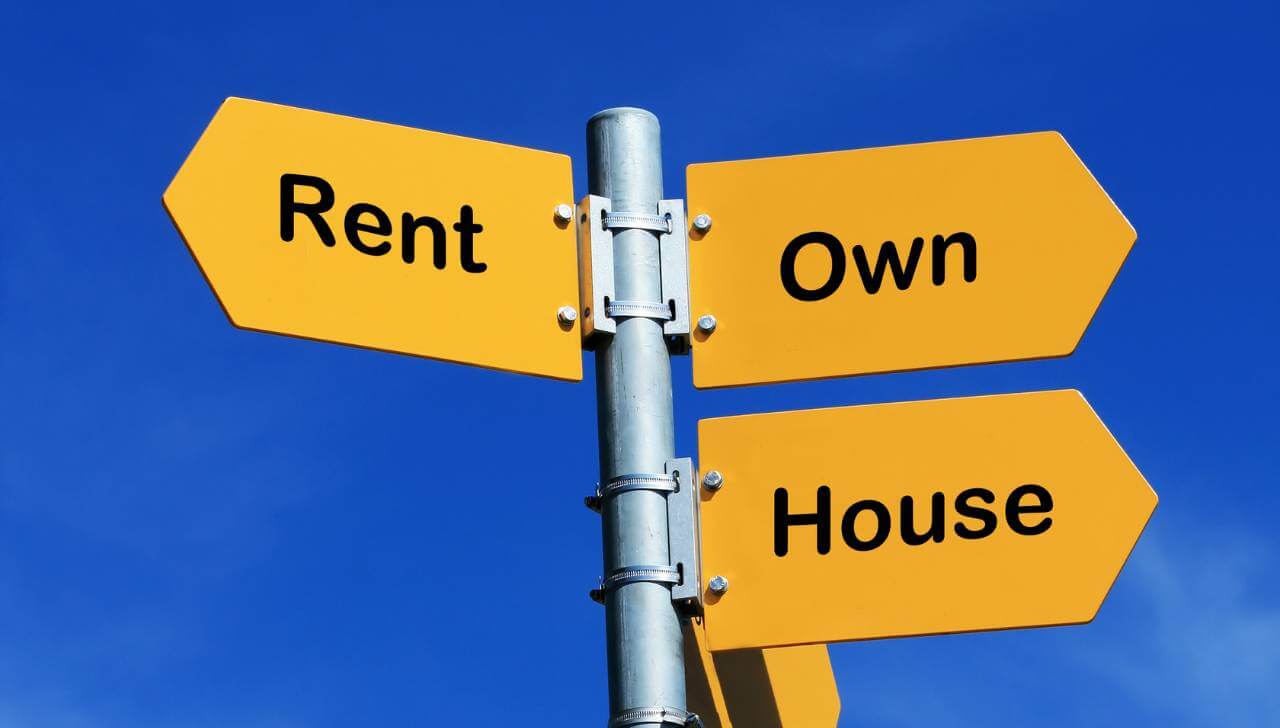
Rising rent can make homeownership feel like the better choice, but low income, limited credit, and high upfront costs often get in the way.
Low-income rent-to-own homes offer another path. You can move in now while building credit, saving money, and preparing to buy later. Still, some contracts include hidden fees, unclear terms, or prices that may stretch your budget.
This guide explains how rent-to-own works, what risks to watch for, and what a fair deal should include.
Quick Navigation
- What Rent to Own Really Means for Low-Income Buyers
- 3 Real Situations Where Rent to Own Helps
- What If the Home’s Value Rises or Falls?
- Where Things Go Wrong (And How to Avoid It)
- Government and Local Support Programs to Know
- Can You Still Qualify with Bad Credit or Low Income?
- Steps to Get Started Safely
- Rent to Own: A Practical Bridge to Ownership
- FAQs
What Rent to Own Means for Low-Income Buyers
Rent-to-own is a path to homeownership that allows you to live in the property while working toward purchasing it.
For families facing low income or credit issues, it offers a way to move forward without having to meet strict mortgage requirements from day one.
Here is the basic structure:
- You sign a lease with the option to purchase the home after a specified period, typically one to three years.
- Each month, a portion of your rent goes toward the future purchase. These are known as rent credits.
- You typically pay an upfront option fee (often 1% to 5% of the home’s value) that locks in your right to buy later at a fixed purchase price.
For example, if your rent is $1,500 and $300 is applied toward ownership, you would build $10,800 in rent credits over three years.
For households earning under $45,000 a year, this structure can provide financial breathing room. Rent-to-own home programs give you time to prepare while securing a home you may eventually own.
Pro Tip:
- Ask the owner if they can report your monthly payments to credit bureaus. This simple step helps raise your credit score while you are still renting.
3 Real Situations Where Rent-to-Own Helps
Rent-to-own is a practical option for buyers with a stable income who cannot meet traditional lending requirements. These three examples show how it can work when finances are tight.
1. No Down Payment, But Steady Income
A public school teacher rents in a high-cost city where property values are rising quickly. Saving for a 20% deposit is not realistic.
- Solution: Rent credits are applied each month, giving time to save while living in the home.
- Result: The teacher moves in with minimal upfront cost and gradually builds toward ownership.
2. Credit Score Under 600
A freelance designer is denied a mortgage due to inconsistent income and a low credit score.
- Solution: The landlord agrees to a rent-to-own arrangement with flexible credit terms.
- Result: The buyer locks in the home and spends the next 2 years improving their score.
3. Family Relocating with Limited Savings
A family moves out of state for work but does not have savings or local credit history.
Solution: Rent-to-own low-income housing provides a stable place to live while they get established.
What if the Home’s Value Rises or Falls?
The rent-to-own purchase price may be fixed when you sign the agreement or set later through a home appraisal. Each method carries different risks.
A locked-in home price can work in your favor when property values rise. You may purchase the home for less than its future market value. However, problems can arise when the property value falls below the agreed price.
For example, the contract price may be $250,000 while the rent-to-own home appraisal values the property at $230,000. This creates a $20,000 appraisal gap. Most lenders will not finance more than the appraised value, so you may need extra cash or a lower purchase price.
Before signing, check whether the contract explains:
- How the final purchase price is calculated
- How rent credits reduce the amount you owe
- Who selects and pays for the appraiser
- What happens if the appraisal is below the contract price
- When the price can be renegotiated
- What happens to your option fee if financing fails
When the home value drops during rent-to-own, walking away may mean losing your option fee and rent credits. Ask a housing attorney or mortgage professional to review the pricing terms before you commit.
Pro Tip:
- Hire an independent appraiser before you sign any paperwork. Knowing the current market value helps you negotiate a fair purchase price for the future.
Where Things Go Wrong (And How to Avoid It)
Rent-to-own can help families move toward homeownership, but the wrong deal can leave you worse off than when you started. Some agreements are poorly written and are structured to fail. Here are the most common risks and how to stay ahead of them.
Problem 1: Scam Contracts and Inflated Prices
Some sellers inflate the final purchase price far beyond market value or include vague language that leaves the buyer exposed. Without clear terms, you risk losing your rent credits or option fee.
Problem 2: No Legal Protection or Inspection
If the property has issues and no inspection was done, you may be responsible for costly repairs. Many rent-to-own homes lack the protections included in traditional sales contracts.

How to Avoid It:
- Review every rent-to-own agreement with a qualified broker or housing attorney.
- Do not skip the home inspection, even if the seller pushes for speed.
- Work with mortgage brokers who specialize in affordable housing and understand legitimate income-based rent-to-own programs.
Pro Tip:
- Set a specific dollar limit for repairs in your contract. For example, you can agree to pay for small fixes under $500 while the owner covers major issues like a broken roof.
Government and Local Support Programs to Know
For low-income buyers, pairing rent-to-own with government or nonprofit assistance can ease the journey into homeownership.
FHA and HUD Programs
The Federal Housing Administration and Department of Housing and Urban Development support options that coordinate with rent-to-own. These programs often include down payment assistance, which can reduce or cover your option fee.
State or Nonprofit Assistance
Many states and local nonprofits offer rent-to-own or similar programs designed for low-income families. They set up housing plans with reasonable terms and income-based adjustments.
Real Examples:
- California’s CalHFA offers low-down-payment loan products alongside local rent-to-own initiatives in several counties.
- Georgia’s PATH (Partnership for Affordable Transitional Housing) helps low-income families transition into rental properties with the opportunity to purchase them later.
Pairing these supports with rent-to-own can reduce upfront costs, lower monthly payments, and provide consumer protections.
Next Steps:
Search for “government rent-to-own programs” or “low-income rent-to-own near me” in your area. For personalized listings and guidance, reach out to ID Mortgage Broker.
Our team can review available government and nonprofit options and match you with local rent-to-own homes that fit your budget and goals
Pro Tip:
- Always check if your city offers down payment assistance specifically for rent-to-own buyers. This money can often be used to cover your upfront option fee.
Can You Still Qualify with Bad Credit or Low Income?
Rent-to-own arrangements can be beneficial for buyers who do not qualify for traditional financing. Still, not every home or seller is the right match.
Some properties are priced above what rent-to-own can support. Before committing, it is important to know what sellers usually expect:
- A steady income that covers the monthly rent
- A clean rental history without recent evictions
- Reliable payments or a clear plan to improve financial standing
The upside is that you might not need a traditional mortgage to get started. Rent-to-own gives you time to improve your credit and save gradually while staying in the home.
A mortgage broker can help you identify rent-to-own homes with bad credit flexibility or even suggest no-document loan options when financial records are limited.
They can also negotiate more reasonable terms and connect you with no-down-payment rent-to-own homes that match your financial position and goals.
Further Readings
- Short-Term Rental vs Long-Term
- ITIN Mortgage Loans Explained
- Apartment vs House: Pros & Cons
- Buying a Townhouse
- Buy a House for a Non-US Resident
Steps to Get Started Safely
These home programs can be a practical option, but the right start makes all the difference. Taking the right steps early helps you avoid costly surprises and choose a path that matches your income and long-term goals.

1. Start with your monthly budget.
Know how much you can afford in housing costs each month, including rent, utilities, and possible repair expenses. This number will shape which listings are realistic for your situation.
2. Look into local listings.
Search for “rent-to-own homes low income near me” and take note of recurring terms and pricing. Pay attention to listings that mention rent credits or flexible terms.
3. Be cautious with vague or incomplete listings.
Avoid any property that lacks details about the option fee, purchase price, or rent credit structure.
4. Talk to a mortgage broker early.
They can review listings, assess your financial fit, and connect you with paths like first-time home buyer programs in California if you decide to transition away from rent-to-own.
5. Always request a home inspection.
It gives you a clear picture of the property’s condition and helps avoid unexpected repair costs after move-in.
Pro Tip:
- Request an extension clause in your agreement. This gives you a few extra months to get a mortgage if your credit improvement takes a bit longer than planned.
Rent to Own: A Practical Bridge to Ownership
For low-income families, rent-to-own creates a realistic path toward owning a home. It offers the space to build savings, improve credit, and secure housing without facing immediate loan rejection.
But results depend on structure. Some agreements lack transparency or saddle buyers with inflated costs. Success comes when you know what to look for and have the right support.
Work with a mortgage broker who can evaluate listings, explain terms, and help you avoid common traps. A well-structured rent-to-own agreement should protect your progress.
If rising rent is holding you back and traditional mortgages feel out of reach, rent-to-own may be the step forward you need.
Let ID Mortgage Broker help you sort through your options, review real listings, and even compare rent-to-own with paths like conventional loans or FHA loans for a long-term strategy.
FAQs
Is rent-to-own a good idea?
It can be a good idea if you need time to save for a down payment or improve your credit. It works best when the price, rent credits, and fees are clear and fair. It is a bad idea if the deal is vague, overpriced, or full of penalties.
How do you find rent-to-own homes?
Start with trusted real estate sites, local agents, and housing nonprofits. Look for listings that clearly state the option fee, purchase price, rent credits, and contract length. Avoid sellers who refuse to share the full contract upfront.
Who pays for repairs and maintenance in a rent-to-own agreement?
It depends on the contract. Some deals require the renter to handle repairs, while others hold the owner responsible for major issues. Always confirm who pays for maintenance, big repairs, and property taxes before signing.
What happens if you do not buy or do not qualify for a home loan at the end of the rent-to-own period?
In many contracts, you lose the option fee and any rent credits if you do not buy. Some agreements allow an extension, but it may cost extra. Plan early by improving credit, saving, and checking loan options well before the end date.