
Key Takeaways:
- A complete home-buying checklist starts with a solid financial plan. Make sure you have a steady job history, a good credit score, and a mortgage pre-approval before you start looking at houses in person.
- Plan for the total cost of ownership rather than just the listing price. You should save enough money for your down payment plus extra funds for closing costs, property taxes, and future home maintenance.
Buying a home is easily one of the most exciting milestones in life, but we also know it can feel incredibly overwhelming. Between browsing listings and signing the final stack of paperwork, there are dozens of moving parts to manage. The good news is that the process becomes significantly more manageable when you break it down into clear, actionable steps.
A first-time buyer stepping into the market for the first time or a move-up buyer looking for a larger space, having a comprehensive home-buying checklist is the best way to stay organized and confident.
In this guide, we provide a full home-buying process checklist that takes you from the very first financial conversation all the way to closing day. We have designed this as a practical roadmap to help you understand exactly what to do, what documents to prepare, and which common pitfalls to avoid.
Quick Links:
- Know if You are Ready to Buy
- Set a Budget You Can Live With
- Plan Your Down Payment and Cash to Close
- Get Mortgage-Ready Before You Shop
- Gather Your Mortgage Documents Early
- Create Your House Hunting Checklist
- Make a Smart Offer and Pick Your Loan
- Handle Inspection, Appraisal, and Underwriting
- Prepare for Closing Costs and Final Review
- Move Forward with a Clear Plan
- FAQ
Know if You are Ready to Buy
Before you start scrolling through real estate apps or attending open houses, the first step on any checklist for preparing to buy a house is an honest self-assessment of your readiness. Homeownership is a long-term commitment, and we believe it should start with financial and personal stability rather than just a desire for more space.
When we talk about readiness, we look at several key factors. First, consider your income stability and job consistency. Lenders typically look for a steady two-year work history in the same field. Next, evaluate your debt load and your emergency savings. Ideally, you should have a separate “house fund” that exists apart from your standard emergency savings.
We also suggest looking at your lifestyle. Do you plan to stay in the home for at least five to seven years? If the answer is yes, you are likely in a good position to buy.
For those using a first-time home-buying checklist, this stage can feel daunting because there is so much to learn. This is why we often recommend looking into specific resources early. If you are in the Golden State, exploring first-time home buyer programs in California can provide the extra guidance and loan support needed to bridge the gap between renting and owning.
Being ready means being prepared not just for the purchase price, but for the ongoing monthly costs of homeownership. A solid checklist for first time home buyers always begins with this foundation of personal and financial readiness.
Pro Tip:
- If you are not sure if you are ready for a mortgage, try a trial run. Save the difference between your current rent and your projected new house payment for three months. This helps you practice your budget while growing your savings at the same time.
Set a Budget You Can Live With
One of the most important parts of any home-buying checklist is establishing a budget that allows you to live comfortably. We often see buyers make the mistake of focusing solely on the listing price of a home, but the reality of a buying a house checklist is much more comprehensive.
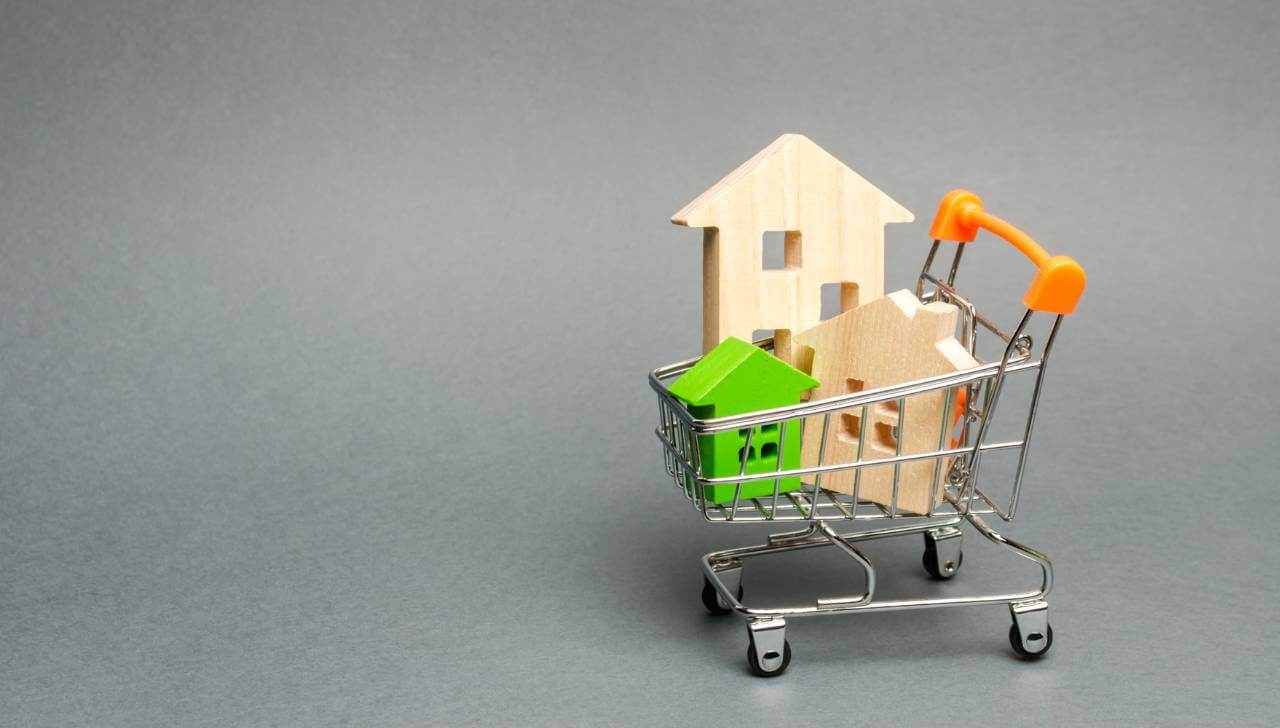
To avoid becoming “house poor”, where too much of your income goes toward your mortgage, you must look at the total cost of ownership.
Calculating Your True Monthly Cost
When determining what you need to purchase a home, we advise buyers to look at several recurring costs beyond just the principal and interest:
- Property Taxes: These vary by location and can change over time.
- Homeowners Insurance: A requirement for any financed purchase.
- HOA Dues: If you are buying a condo or a home in a planned community.
- Utilities: Often higher than what you might pay in a rental.
- Maintenance Reserves: We recommend setting aside 1% of the home’s value annually for repairs.
Understanding your debt-to-income (DTI) ratio is also vital. This is the percentage of your gross monthly income that goes toward paying debts. If your DTI is too high, it can affect your loan approval and your daily comfort. If you find your ratio is on the higher side, it may be helpful to learn how to lower your debt-to-income ratio before you apply for a mortgage.
To help you visualize these costs, the Consumer Financial Protection Bureau provides excellent tools for comparing loan options and calculating the long-term impact of interest rates on your budget. Setting a realistic payment range before you meet with a seller ensures that you remain in control of your finances throughout the process.
Plan Your Down Payment and Cash to Close
When people ask about the things you need to buy a house, the conversation usually starts and ends with the down payment. However, a professional checklist before buying a house must account for “cash to close,” which includes a variety of upfront expenses that catch many buyers off guard.
We want you to have a clear picture of the liquid assets you will need. While a 20% down payment is the traditional gold standard to avoid private mortgage insurance (PMI), many buyers successfully purchase homes with much less. However, in addition to the down payment, you must budget for:
- Earnest Money Deposit: Usually 1% to 3% of the purchase price, paid shortly after an offer is accepted.
- Closing Costs: Typically 2% to 5% of the loan amount.
- Inspection and Appraisal Fees: These are paid out-of-pocket during the escrow process.
- Moving Expenses: Professional movers, truck rentals, and packing supplies.
When considering what you need when buying a house, don’t forget to keep a cash cushion for the day you move in. If you find that the traditional 20% down is out of reach, there are many flexible entry points. For instance, exploring FHA loan options in California can allow for a down payment as low as 3.5%, making homeownership accessible even if you are still building your savings.
Pro Tip:
- If a family member is helping you with your down payment, tell your lender immediately. You will need a specific gift letter to prove the money is a gift and not a loan, which is a vital part of any home-buying checklist.
Get Mortgage-Ready Before You Shop
There is a significant difference between wanting to buy a home and being mortgage-ready. A professional getting ready to buy a house checklist involves a deep dive into your financial profile through the eyes of a lender. Before we even look at houses, we recommend reviewing your credit history, verifying your bank activity, and ensuring your employment records are in order.
Lenders want to see a “clean” financial trail. This means no large, unexplained deposits into your bank accounts and no major shifts in your credit score. We emphasize that getting a preapproval is a mandatory step before you begin serious house hunting. It shows sellers that you are a serious, qualified buyer and gives you a clear boundary for your search.
The “Do Not” List for Mortgage Approval
To stay on track with what is needed for a first-time home buyer, we advise all our clients to follow these rules strictly during the months leading up to a purchase:
- Do not finance a car: New monthly payments can drastically lower the amount you can borrow for a home.
- Do not open new credit cards: Hard inquiries and new credit lines can fluctuate your credit score.
- Do not miss payments: Even one late payment can jeopardize your mortgage approval.
- Do not move large sums of money: If you move money between accounts, ensure there is a clear paper trail for the lender to follow.
Falling into these traps is among the most common first-time homebuyer mistakes we see. For those with strong credit and stable finances, looking into conventional home loans in California is often the next step in the process, as these loans offer competitive rates and flexible terms for well-qualified borrowers. Knowing what I need as a first-time home buyer starts with keeping my credit profile pristine.
Gather Your Mortgage Documents Early
Speed is often the key to a successful home purchase. When you find the perfect home, you don’t want to be scrambling to find a tax return from two years ago. We recommend treating the documentation phase as a critical part of your what do i need for first time home buyer strategy.
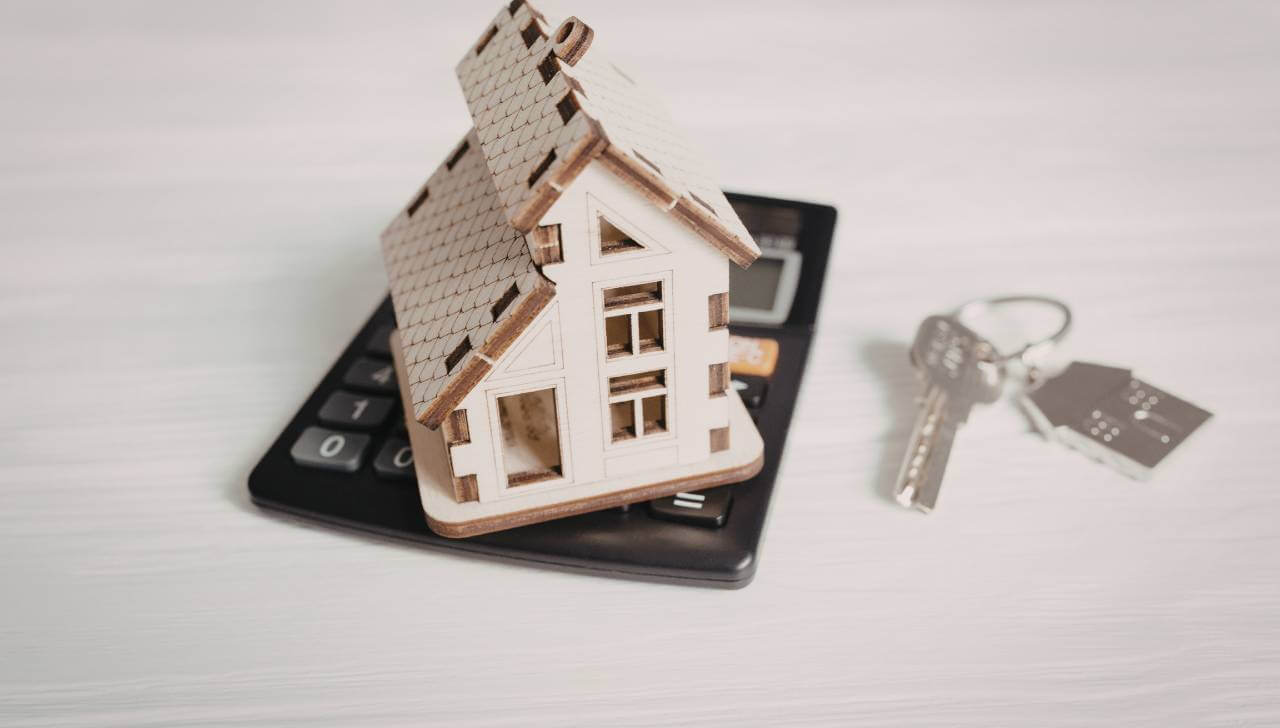
By gathering these items early, you speed up the preapproval process and reduce the stress of the underwriting period later on.
The Document Checklist
Most lenders will require the following core items to verify your identity and financial standing:
- Government-Issued ID: A valid driver’s license or passport.
- Pay Stubs: Usually, the most recent 30 days of income.
- W-2s or Tax Returns: Typically, the last two years of filings.
- Bank Statements: The most recent two months for all accounts (checking, savings, investment).
- Proof of Additional Income: Documentation for bonuses, alimony, or child support.
- Self-Employment Records: If applicable, you’ll need 1099s and profit-and-loss statements.
- Gift Letters: If a family member is helping with your down payment, you’ll need a signed letter and proof of the transfer.
Having these files organized in a digital folder or a physical binder makes the process much smoother. For an industry-standard deep dive into the specific paperwork required by major lenders, you can reference the Fannie Mae home loan document checklist.
Knowing exactly what I need to buy my first home from a paperwork perspective will save you days of back-and-forth communication, and you can find even more localized tips on our list of documents needed to buy a house.
Pro Tip:
- Create a dedicated digital folder for all your PDF documents. Lenders often ask for updated versions of the same files every 30 days, so having them in one place makes the process much faster.
Create Your House Hunting Checklist
Once the financial foundation is set, the process shifts into the search phase. This is where a buying your first home checklist becomes your best friend. It is very easy to get swept up in the emotion of a beautiful kitchen or a great backyard, but we encourage you to stay grounded by separating your “must-haves” from your “nice-to-haves.”
When you are building your buying first home checklist, consider the practical aspects that will affect your daily life for years to come. We suggest evaluating every home against a consistent set of criteria:
- Neighborhood and Commute: Drive the route to work during rush hour to see if it’s manageable.
- School Access: Even if you don’t have children, school districts heavily influence resale value.
- Bedrooms and Bathrooms: Does the layout support your long-term plans (e.g., a home office or a growing family)?
- HOA Rules: Some HOAs have strict rules on everything from paint colors to parking.
- Property Condition: Look past the staging. Check the age of the roof, the HVAC system, and the windows.
- Parking: Is there a garage, a driveway, or will you be fighting for street parking?
By using a consistent buying my first home checklist, you can compare properties objectively. We recommend taking notes and photos at every showing, as homes can start to blend together after a long weekend of touring. Remember, you can change the paint and the carpet, but you cannot change the location or the basic bones of the house.
Pro Tip:
- Always visit a neighborhood at different times of the day and week. A street that is quiet on a Sunday afternoon might be very noisy during the Monday morning commute or on a Friday night.
Make a Smart Offer and Pick Your Loan
When you find a home that checks all the boxes, the next phase of the home-buying checklist is making an offer and finalizing your loan choice. This is where strategy meets math. Your offer is more than just a price; it includes your earnest money deposit, your requested closing date, and your contingencies (such as inspection and appraisal).
We always remind our clients that the smartest offer is one that remains within your preapproved range. It can be tempting to bid higher in a competitive market, but you must ensure the home will still fit your monthly budget. At this stage, you also need to align your loan choice with your long-term goals. Are you planning to stay in the home for 30 years, or is this a five-year starter home? The right loan should match your credit profile and cash position.
During the offer negotiation, you will also need to decide when to lock in your interest rate. Since rates can fluctuate daily, we recommend reading our mortgage rate lock guide to understand how timing affects your monthly payment. Following a 1st time home buyer checklist means staying disciplined during negotiations and making sure the “things to do when buying a house” are handled with professional guidance.
Handle Inspection, Appraisal, and Underwriting
Once your offer is accepted, the “quiet” but critical phase of the first-time home buyer’s checklist begins. This period involves three major hurdles: the home inspection, the appraisal, and the final underwriting review. We believe these steps are the most important for protecting your investment.
The 3 Pillars of the Escrow Process
- Home Inspection: This is your chance to hire a professional to look under the hood. They will check for structural issues, electrical problems, and plumbing leaks. The inspection protects you from inheriting expensive repairs without knowing it.
- Appraisal: The lender will hire a third-party appraiser to ensure the home is actually worth what you are paying. If the appraisal comes in low, you may need to negotiate the price or cover the gap with cash.
- Underwriting: This is the final deep dive where the lender verifies every detail of your financial life one last time.
Throughout this stage, it is vital to keep your finances steady. We often see it as a key part of the first-time homebuyer checklist to warn against any major changes here. Do not buy new furniture on credit or change jobs while your file is in underwriting.
The lender may ask for updated pay stubs or bank statements just days before closing to ensure nothing has changed. These things to do when buying a house are often invisible to the seller but are the most important steps in securing your funding.
Prepare for Closing Costs and Final Review
The final stretch of the home-buying checklist is the transition from “buyer” to “owner.” Before you head to the signing table, there is a series of final tasks that ensure a smooth hand-off. We recommend starting this process at least three days before your scheduled closing date.

First, you will receive a document called the Closing Disclosure (CD). You must review this carefully to ensure the loan terms, interest rate, and closing costs match what you were previously quoted. If you are unsure about certain fees, it helps to understand who pays closing costs so you can verify that the credits and charges are allocated correctly between you and the seller.
The Final Countdown Checklist
Before you sign the final papers, make sure you have checked off the following:
- Confirm Cash to Close: Know the exact amount you need to bring and verify wire instructions with your title company; always call to verify to avoid wire fraud.
- Homeowners Insurance: Ensure your policy is active and the lender is listed as the loss payee.
- Final Walk-Through: Visit the home one last time to ensure it is in the agreed-upon condition and that any negotiated repairs were actually completed.
- ID and Documentation: Bring your government-issued ID to the signing appointment.
Understanding what happens on closing day can take the mystery out of the process. This is the moment when you sign the mortgage note and the deed of trust, and once the loan is funded and recorded, the keys are finally yours. It is the culmination of all the items on your checklist before buying a house.
Pro Tip:
- During your final walk-through, check the small things. Turn on the heater and the air conditioner, flush every toilet, and test the kitchen appliances one last time to ensure no new issues have popped up since the inspection.
Move Forward with a Clear Plan
Buying a home is a journey of a thousand small steps, but as we have shown, it is entirely manageable when you have a clear roadmap. From the initial moment you decide you are ready to buy to the final signature on closing day, every stage of this home-buying checklist is designed to protect your interests and your financial future.
By taking the time to budget correctly, gather your documents early, and understand the mortgage process, you avoid the rushed decisions and last-minute stress that many buyers face. We encourage you to use this guide as a living document throughout your journey. Preparation is the difference between a stressful transaction and a confident move into your new home.
If you are ready to start checking off your home buyer checklist, we are here to help. At ID Mortgage Broker, we specialize in helping buyers review their readiness, compare the best loan options for their unique needs, and navigate the complexities of the market with confidence. Contact us today to begin planning your next move.
FAQ
What do I need to buy my first home?
To buy your first home, you generally need a stable two-year work history, a credit score that meets lender requirements (often 580 or higher, depending on the loan type), a down payment, and a budget for closing costs. You will also need to provide documentation like tax returns, pay stubs, and bank statements to prove your financial stability.
How much money should I save before buying a house?
We recommend saving enough to cover your down payment (anywhere from 3.5% to 20%), closing costs (2% to 5% of the loan amount), and an emergency reserve for repairs and moving expenses. Having at least six months of living expenses saved in addition to your purchase costs is a safe target.
When should I get preapproved for a mortgage?
You should get preapproved before you start looking at homes in person. A preapproval gives you a clear budget and shows sellers that you are a serious buyer, which is essential in a competitive market.
What should I avoid doing before closing on a house?
Avoid making any major financial changes. Do not open new credit cards, finance a new car, change jobs, or move large sums of money between bank accounts without a paper trail. Any of these actions can trigger a re-evaluation of your loan and could lead to a denial at the last minute.