
Key Takeaways:
- Buying a foreclosed home is a unique process where you purchase property from a lender rather than a homeowner through channels like bank-owned listings or auctions.
- You can get a traditional mortgage if the house is in good shape, but properties with major damage often require specialized financing like hard money or renovation loans.
The prospect of buying a foreclosed home often brings to mind images of steep discounts and incredible investment opportunities. For many, the appeal is clear: the potential for lower-than-market prices, less competition from traditional buyers in specific niches, and a significant upside for those willing to put in a little elbow grease.
However, we believe it is vital to set the right expectations early. While these properties can be excellent opportunities, a foreclosure is not automatically a bargain. The process is distinct from a traditional real estate transaction and requires a different level of due diligence.
In this guide, we will focus on the three areas, such as how the process works, how to navigate the specific financing requirements, and how to avoid the expensive mistakes that can turn a “deal” into a financial burden.
Quick Links:
- Understanding What a Foreclosed Home Really Is
- Why Buyers Consider Foreclosed Properties
- Main Channels for Purchasing A Foreclosure
- How to Buy a Foreclosed Home Step By Step
- Financing a Foreclosure: What You Need to Know
- Risks and Hidden Costs to Watch For
- Is a Foreclosed Home Right for You?
- Smart Protection Tips Before You Commit
- Buy Smart, Not Just Cheap
- FAQs
What a Foreclosed Home Really Is
Foreclosure is a legal process in which a lender attempts to recover the balance of a loan from a borrower who has stopped making payments. According to the Consumer Financial Protection Bureau (CFPB), the lender takes back ownership of the property and then attempts to sell it to recoup their losses.
Buying a foreclosed home is fundamentally different from a regular residential sale. In a traditional sale, you deal with a homeowner; in a foreclosure, the seller may be a bank, a mortgage servicer, a government agency (like HUD or the VA), or even an online auction platform.
Because the seller is a corporate or government entity, they usually have no emotional attachment to the property and often have never set foot inside it. This means that the condition of the home, your ability to access it for walkthroughs, the disclosures provided, and the overall timelines can vary wildly.
Some properties might be move-in ready, while others have been neglected for years. As we move through this guide, you will see that not all foreclosure purchases carry the same level of risk—the channel you choose to buy through determines how much “what makes buying a foreclosed property risky” actually applies to you.
Pro Tip:
- Since banks have never lived in these houses, they usually won’t know about hidden issues. Always hire an inspector who specializes in vacant properties to catch problems like frozen pipes or mold.
Why Buyers Consider Foreclosed Properties
The primary motivation for most buyers is the potential for a lower price. Because lenders are often eager to get non-performing assets off their books, these properties are sometimes priced below market value.
For an investor, this creates a possible upside where the equity in the home exceeds the purchase price and renovation costs combined.
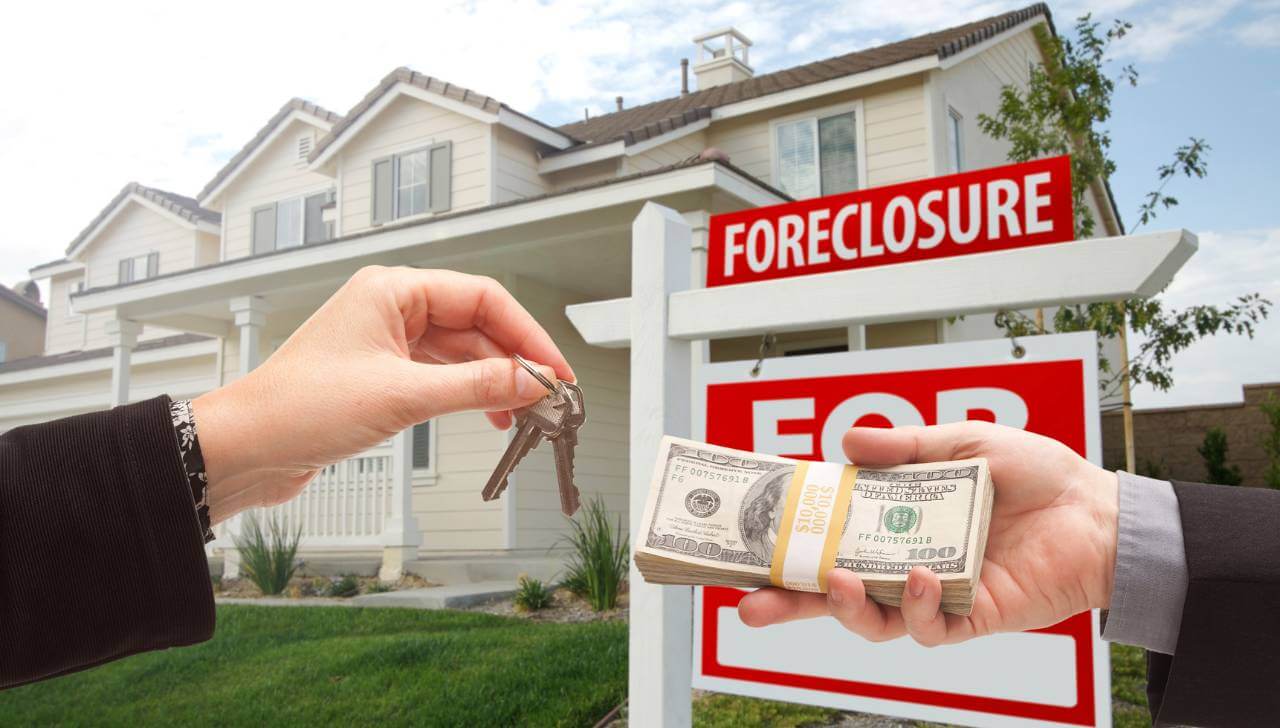
For a primary resident, foreclosures provide a chance to enter a neighborhood that might otherwise be out of reach. There is more room to add value through repairs, allowing you to customize the home while building sweat equity. However, we always caution buyers not to confuse a low list price with a low total cost.
It is easy to fall into first-time homebuyer mistakes to avoid by underestimating the capital needed for repairs, title issues, or specific financing limits. We view this article as a decision guide to help you determine if the “cheap” price is truly a good deal for your specific financial situation.
Main Channels for Purchasing a Foreclosure
There is more than one way to acquire a distressed property, and each path has its own rules and risk profile.
Buying at Auction
Purchasing at a courthouse auction or through an online auction platform is often the fastest way to buy. However, auctions usually move very quickly and often require payment in full via cash or specialized quick funding.
A major drawback is that inspections, traditional contingencies, and even physical property access are frequently limited or prohibited. This route is significantly riskier for inexperienced buyers because you are often buying the property “as-is” without seeing the interior.
Buying Bank-Owned REO Properties
REO stands for “Real Estate Owned.” These are homes that did not sell at auction and are now owned by the bank. This path is often the most practical for regular buyers.
Unlike auctions, REO sales usually follow a more standard purchase process, allowing for home inspections, title contingencies, and traditional financing. While the bank still sells the home “as-is,” you have the opportunity to know exactly what you are getting into before you close.
In Pre-foreclosure or Short Sales
In these scenarios, the owner is still in the home but is behind on payments. In a short sale, the lender agrees to let the owner sell the property for less than the remaining mortgage balance.
While these can offer more flexibility and better property conditions than a vacant foreclosure, they are notorious for delays. The lender must approve the sale, which can take months, making this a test of patience for any buyer.
Which route fits which buyer?
- First-time buyers: We usually recommend focusing on REO properties. The process is closer to a traditional sale and allows for the protections of a home inspection.
- Investors: Experienced rehab buyers or those looking for fix-and-flip loans in California may find the higher risk of auctions worth the potential reward.
- Rental buyers: Those seeking investment property loans in California often focus on the numbers, looking for REOs or short sales that fit their long-term financing strategy.
Pro Tip:
- If you are looking at a short sale, be prepared to wait. These deals require approval from the lender’s board, which can take several months even if the seller has already accepted your offer.
How to Buy a Foreclosed Home Step By Step
Navigating this market requires a disciplined approach. Here is the process we recommend following.
Step 1: Set Your Budget and Strategy
Before browsing listings, decide your end goal. Are you looking for a primary home, a long-term rental, or a quick flip? Your budget must include more than just the purchase price; you need to account for immediate repairs, closing costs, property insurance, and healthy cash reserves for the unexpected.
Step 2: Get Pre-approved Early
In the foreclosure market, timelines move fast. Sellers (especially banks) rarely entertain offers without proof of funds or a strong pre-approval letter. We suggest gathering the necessary documents needed to buy a house early so your financing is ready the moment you find a deal.
Pro Tip:
- Keep a digital copy of your preapproval letter on your phone at all times. In the foreclosure market, banks often give you less than 24 hours to submit your formal paperwork once they show interest.
Step 3: Work with the Right Real Estate Agent
Not every agent is experienced in the nuances of distressed sales. We recommend finding an agent who understands the REO submission process, knows how to navigate auction platforms, and can help you interpret the “lingo” used in bank-owned listings.
Step 4: Find Foreclosure Listings
You won’t find every foreclosure on a single website. We suggest checking the MLS (Multiple Listing Service), dedicated bank-owned listing sites, government portals (like HUD Home Store), and local courthouse auction notices to get a full picture of the inventory.

Step 5: Review the Property Carefully
This is the “due diligence” phase. If you are buying an REO, schedule a professional inspection. Perform a title review to ensure there are no hidden liens or back taxes. Research the neighborhood value to ensure you aren’t over-improving the house.
It is also important to consider how long a house appraisal takes because the appraiser’s valuation of the “as-is” condition will dictate your loan approval.
Step 6: Make a Smart Offer
Your strategy will depend on the purchase type. For an REO, you might have room to negotiate repairs or price. For an auction, your “offer” is your maximum bid. Always keep your repair budget in mind—don’t let a bidding war push you into a price that no longer makes sense.
Step 7: Close with a Repair and Cash Plan
Once your offer is accepted, you move toward closing. Understanding what happens on closing day is crucial, as you will need to finalize your insurance and utility transfers immediately. Have a plan for day one: changing the locks, cleaning, and addressing safety hazards are top priorities.
Financing a Foreclosure: What You Need to Know
One of the most common questions we hear is, “Can you get a mortgage on a foreclosure?” The answer is a resounding yes, but there are caveats.
Can You Get a Mortgage on a Foreclosure?
Standard lenders are happy to finance these homes, provided the property meets minimum habitability standards. If the roof is leaking, the plumbing is stripped, or there is significant structural damage, a traditional mortgage may be denied.
If the home is move-in ready or needs only cosmetic updates, you can often use:
- Conventional loan options in California for buyers with strong credit.
- FHA loan requirements in California for owner-occupants looking for a lower down payment.
- VA home loans in California for eligible veterans (note that VA safety standards are quite strict).
When Alternative Financing is Needed
For homes in severe distress or for auction purchases that require a 10-day close, standard mortgages often fail. In these cases, we look at:
- Hard money loans for distressed properties: These are asset-based loans that focus on the property’s potential value rather than its current condition.
- DSCR loans for rental property investors: These focus on the projected rental income of the property, which can be ideal for investors buying foreclosures to build a portfolio.
Match the Loan to the Property
A primary residence buyer should stick to REO properties that qualify for FHA or Conventional loans. An investor buying a “gut job” at auction will likely need hard money or cash. Matching the financing to the property condition is the most important step in the process.
Pro Tip:
- If a home needs work but you want to use a standard mortgage, ask about an FHA 203k loan. This lets you roll the costs of the repairs and the purchase price into one single loan.
Risks and Hidden Costs to Watch For
The real risk is not the foreclosure itself, but failing to do enough due diligence. Beyond the purchase price, you must account for:
- Repair Overruns: Distressed homes often have “hidden” issues behind the walls (mold, outdated wiring).
- Title Problems: Unpaid property taxes, HOA liens, or secondary mortgages can follow the property.
- Utility Issues: If a home has been vacant, pipes may have burst, or the electrical system may need a safety certification before the city turns the power back on.
- Appraisal Issues: If the appraiser finds the home is worth less than your offer, you may have to bridge the gap in cash.
Remember that who pays closing costs can sometimes shift in a foreclosure, and you should also factor in how much an appraisal costs into your initial due diligence expenses.
Pro Tip:
- Call the local utility companies before you close to check for any outstanding balances. In some areas, the new owner might be held responsible for the previous owner’s unpaid water or trash bills.
Is a Foreclosed Home Right for You?
Foreclosures are not for everyone. We find they are a great fit for:
- Patient buyers who don’t mind a longer timeline.
- Buyers with significant repair reserves and a “handy” disposition.
- Investors with a clear exit strategy and specialized financing.
They may not be a fit for you if:
- You have very tight cash reserves and cannot afford a $10,000 “surprise” repair.
- You need a turnkey, move-in-ready home immediately.
- You are already stretching your budget to the limit on the monthly payment.
For those who feel they need more guidance, exploring first-time home buyer programs in California can provide additional structure and support.
Smart Protection Tips Before You Commit
Before you sign on the dotted line, follow this checklist to protect your investment:
- Confirm your repair budget: Always add a 20% “contingency” buffer to your estimates.
- Review the title carefully: Never buy a foreclosure without a clear title report.
- Don’t skip the inspection: If the seller allows it, always hire a pro.
- Stay pre-approved: Avoid signs your mortgage could be denied by not taking out new debt or changing jobs during the process.
- Have an exit plan: Know what you will do if the renovation costs exceed your initial projections.
Buy Smart Today!
Buying a foreclosure can be a brilliant financial move when you understand the process, the financing, and the inherent risks. The goal is making a sound, long-term purchase that builds wealth.
By approaching these properties with a clear strategy and the right team, you can turn a distressed house into a valuable asset.
Talk with ID Mortgage Broker today to explore foreclosure-friendly financing options and find the right loan strategy for the type of property you want to buy.
FAQs
What is the process of buying a foreclosed home?
The process typically involves setting a budget, getting preapproved, searching for listings (REO, auction, or preforeclosure), performing deep due diligence (inspections and title search), making an offer, securing specialized financing, and closing.
Can you get a mortgage on a foreclosure?
Yes. If the home is in a financeable condition (safe, sound, and secure), you can use traditional FHA, VA, or Conventional loans. For homes in poor condition, you may need a renovation loan or a hard money loan.
How long does it take to buy a foreclosed home?
It varies. An REO sale might take 30–45 days, similar to a traditional sale. An auction can close in as little as 10–14 days. A short sale, however, can take several months to over a year.
How to buy a foreclosed home from the bank?
Bank-owned (REO) homes are usually listed on the MLS by a real estate agent. You make an offer through your agent, and the bank’s asset manager reviews it. The process is similar to a traditional purchase, but usually sold “as-is” with specific bank-required addenda.