
Key Takeaways:
- A warranty deed is a legal document that transfers property ownership while guaranteeing that the seller has a clear title and the right to sell the home.
- It differs from a deed of trust because it focuses on ownership rights, while the deed of trust is the document that gives your lender a security interest in the property.
- You can find a copy of this paperwork in your final closing folder or by requesting it from the county recorder’s office where the home is located.
As you approach the finish line of a real estate transaction, a specific document often takes center stage: the warranty deed. It usually shows up in your final pile of paperwork right before closing day, and it matters because it is the primary instrument used to transfer property rights.
A buyer, a seller, or a homeowner navigating a refinance, understanding what a warranty deed on a house is, is essential for protecting your investment.
In this guide, we will define this document, explain the protections it offers, clarify how it differs from a deed of trust, and show you exactly how to find a copy after the deal is done. If you are a first-time home buyer in California, this is the perfect place to start.
Quick Links:
- Definition and What it Does
- How it Works in a Home Sale
- Protection: What it Covers
- Common Types of Warranty Deed
- Warranty Deed vs Deed of Trust
- Warranty Deed vs Deed: What’s the Difference
- Does it Prove Ownership?
- How to Get a Warranty Deed
- Where to Find After Closing
- Closing Checklist for a Smooth Transfer
- FAQs
Definition and What it Does
In plain English, it is a legal document used to transfer the ownership of real estate from one person to another while providing specific guarantees. A more formal warranty deed definition describes it as a type of deed where the grantor (the seller) guarantees that they hold a clear title to a piece of real estate and have the legal right to sell it.
- A warranty deed is the “gold standard” of ownership transfer. We use it in a typical home purchase to ensure the buyer is receiving the property free and clear of secret debts or legal “clouds.”
At a high level, the document includes the names of the grantor and grantee, a formal legal description of the property, the signatures of the sellers, and a notary’s acknowledgment. Essentially, what a warranty deed is used for is to provide a paper trail of ownership that carries the seller’s personal promise of a clean title.
Meanwhile, it is important to understand what a warranty deed means regarding its limits. It is not the same as title insurance; while the deed contains promises, title insurance is the policy that pays out if those promises are broken.
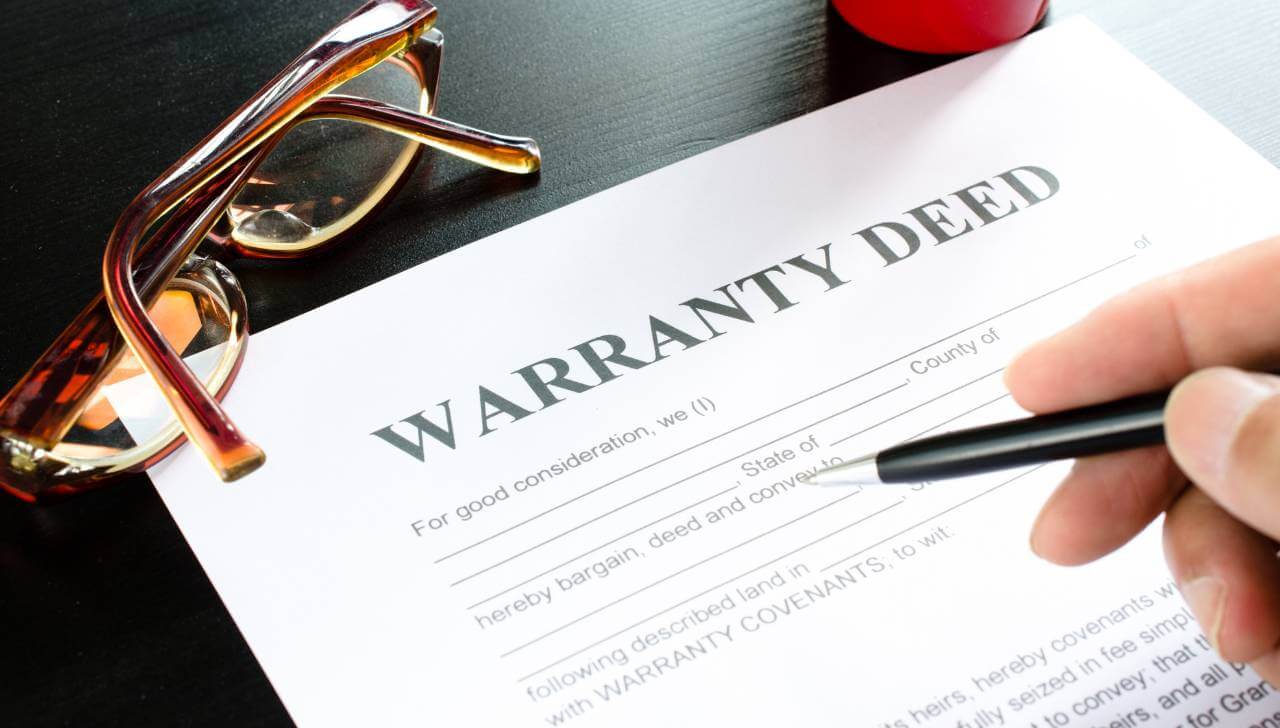
It is also not a deed of trust (the loan document) or a guarantee that the home is physically perfect. Instead, it focuses on the “chain of title,” the history of ownership, rather than the condition of the roof or the plumbing.
Pro Tip:
- Even though this deed offers great protection, always buy title insurance. It provides the actual money to defend you in court if someone challenges your ownership later on.
How it Works in a Home Sale
The journey of a deed from a draft to a recorded public record is a vital part of what happens on closing day. While you might sign dozens of pages, the warranty deed is the one that actually moves the needle on ownership.
Step-by-Step: Signing to Recording
- Drafting: Typically, the escrow company, title firm, or an attorney drafts the deed based on the purchase agreement.
- Execution: The seller (grantor) signs the deed in the presence of a notary.
- Closing: The deed is bundled with other documents needed to buy a house.
- Recording: After the settlement statement in real estate is finalized and funds are disbursed, the original deed is sent to the county recorder’s office.
- Confirmation: Once recorded, the buyer receives confirmation that the transfer is official.
When the Deed Shows Up in Public Records
Does a warranty deed transfer ownership? Yes, but the public record update isn’t always instant. Depending on the county, it can take anywhere from a few days to several weeks for the deed to be officially indexed in public records. If it isn’t showing up yet, don’t panic; there is often a processing lag at the county level.
Pro Tip:
- Double-check that your name is spelled exactly as it appears on your government ID. Even a small typo on the deed can cause big headaches when you try to sell or refinance your home in the future.
Protection: What it Covers
The primary reason we prefer a warranty deed over other types is the level of protection it provides to the buyer. What does a warranty deed do for you? It creates a legal bridge of accountability.
What the Seller is Promising
When a seller signs this document, they are making several “covenants” or promises:
- Seisin: They actually own the property.
- Right to Convey: They have the legal authority to sell it.
- Against Encumbrances: They promise there are no hidden liens or easements they haven’t disclosed.
- Quiet Enjoyment: They guarantee the buyer won’t be kicked out by someone else claiming to own the land.
- Warranty Forever: They promise to defend the buyer against any future claims that originated before the sale.
What it Does Not Cover
While this document is powerful, it doesn’t replace a title search. If a seller disappears or goes bankrupt, their “promise” to defend your title might be hard to enforce. This is why we always recommend title insurance to back up the deed. While a warranty deed acts as evidence, it is the recording and the title policy that truly secure your peace of mind.
Common Types of Warranty Deed
Not all deeds are created equal. When comparing a warranty deed vs deed, the difference lies in the level of “warranty” or guarantee being offered.
- General Warranty Deed. This is the strongest form of protection. It covers the entire history of the property, not just the time the current seller owned it. It is the standard choice for residential home sales.
- Special Warranty Deed. This is more limited. The seller only guarantees that they haven’t caused any title issues during their period of ownership. These are common in commercial deals or when buying a foreclosed home from a bank.
- Quitclaim Deed (H3). A quitclaim deed offers the least protection. It basically says, “I’m giving you whatever interest I have in this property, which might be nothing.” We see these most often during divorce settlements or when moving a property into a family trust.
- Other Deeds You May Hear About. You might also hear about a “deed-in-lieu” of foreclosure, which is used to transfer property back to a lender to avoid the foreclosure process.
Pro Tip:
- If you are buying a foreclosed home or a property from a bank, you will likely receive a special warranty deed. This only covers the short time the bank owned it, so doing a deep title search is extra important.
Warranty Deed vs Deed of Trust
One of the most common points of confusion for homeowners is the difference between a warranty deed vs deed of trust. While they sound similar, they serve completely different purposes.
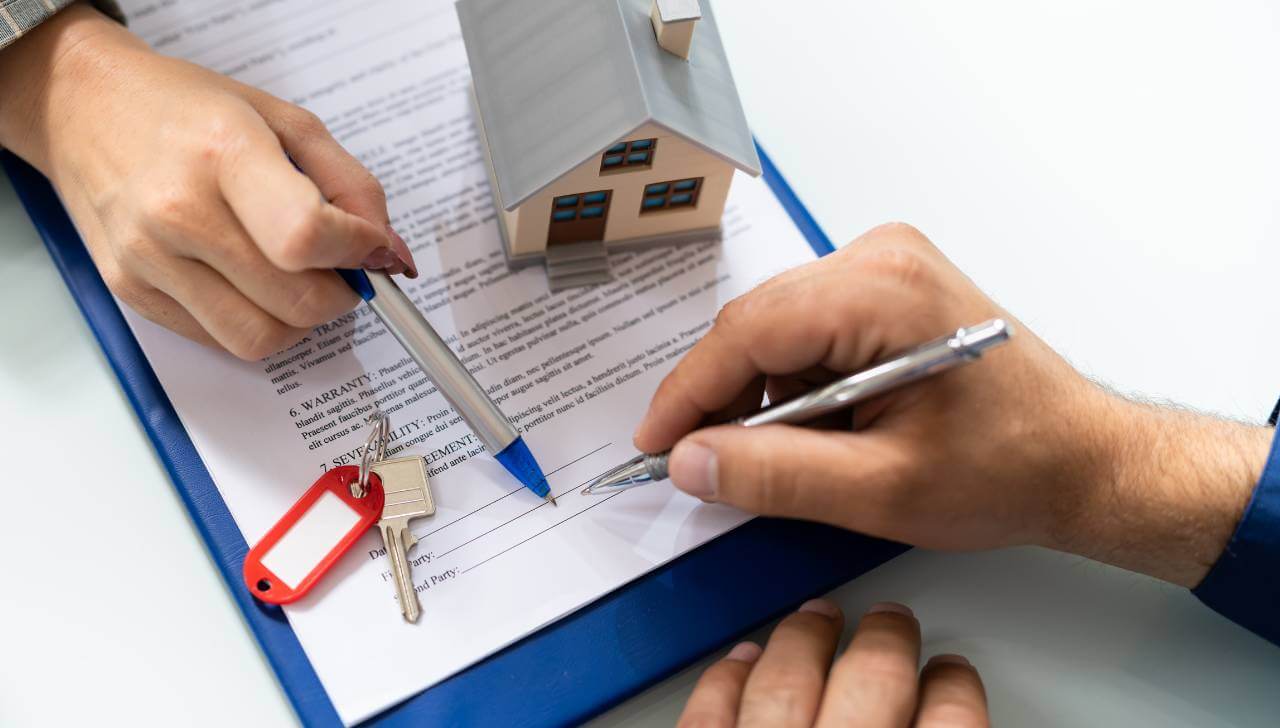
A deed of trust is a security instrument. It is the document that gives your lender a “security interest” in the property. It says that if you don’t pay your mortgage, the lender (via a trustee) can foreclose. It doesn’t prove you own the home; it proves you owe a debt secured by the home.
When comparing a deed of trust vs warranty deed, remember that the warranty deed is about ownership (who owns it), and the deed of trust is about liens (who has a claim to it if the bill isn’t paid).
At closing, you need the warranty deed to become the owner, and your lender needs the deed of trust to protect their loan.
Confusion often arises because people use these terms interchangeably. However, is a warranty deed the same as a deed? Technically, no. “Deed” is the broad umbrella term for any legal document that transfers real estate.
A “warranty deed” is a specific type of deed that includes protective clauses. Think of “deed” as the category (like “car”) and “warranty deed” as the specific model with a full bumper-to-bumper warranty.
Does it Prove Ownership?
A common question we hear is: Does a warranty deed prove ownership? The answer is a bit nuanced. While the deed is the instrument of transfer and acts as very strong evidence of ownership, “title” is the actual legal right to the property.
The warranty deed is a physical piece of paper you sign and record. “Title” is a concept that represents the bundle of rights you have as an owner. To truly prove ownership, you need a clear “chain of title” in the public records that shows a sequence of recorded deeds leading to you, supported by a title insurance policy.
Pro Tip:
- While the deed is your proof of transfer, the title is what gives you the right to use the land. Keep your original “Title Policy” folder safe, as it is just as important as the deed itself.
How to Get a Warranty Deed
If you are wondering how to get a warranty deed, it usually happens automatically during the home-buying process.
1. Who Prepares and Signs it
The document is prepared by the title company or the seller’s attorney. Only the seller (the grantor) needs to sign the deed, and that signature must be notarized. As a buyer, you should double-check the spelling of your name and how you are taking “vesting” (e.g., as a married couple or a single person).
2. Fees and Closing Costs to Expect
While the deed itself isn’t expensive to draft, there are recording fees charged by the county to make it official. To understand how these fit into your overall budget, check out our guide on who pays closing costs.
Where to Find After Closing
Once the dust has settled, you may need a copy of your deed for taxes, refinancing, or estate planning.
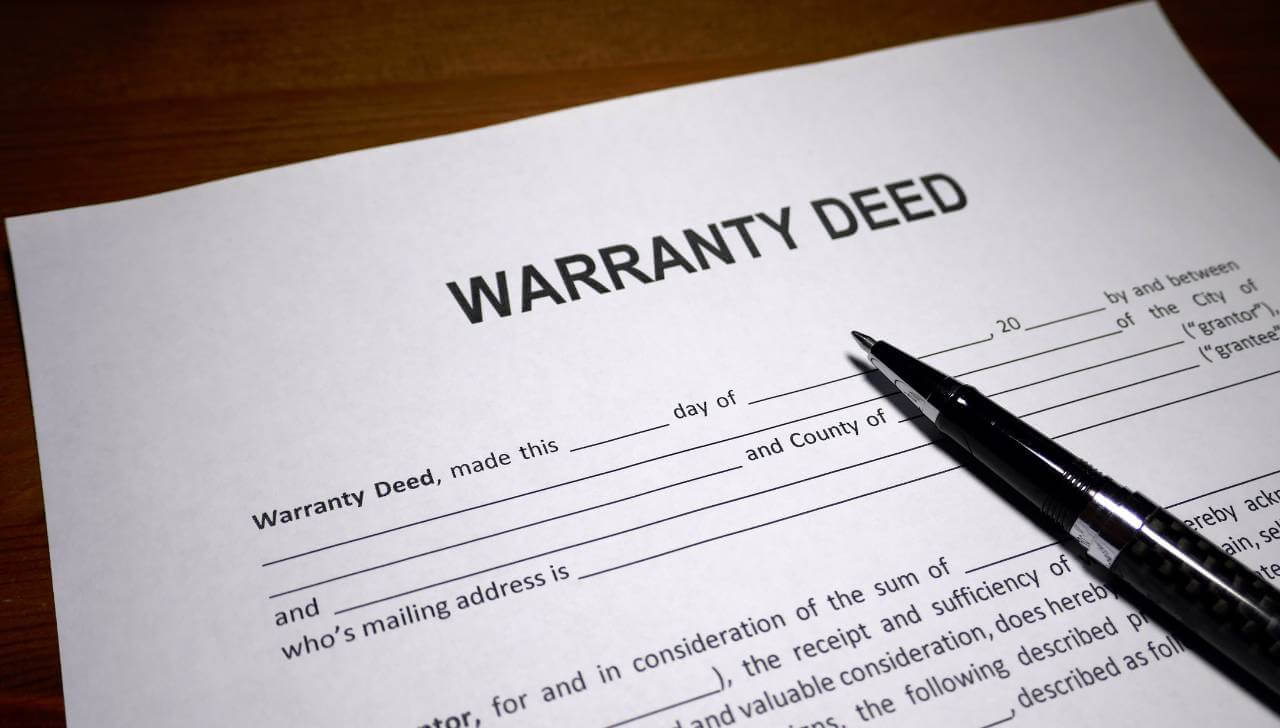
Fast Ways to Locate Your Recorded Deed
- Closing Packet: Check the digital or physical folder provided by your title company.
- County Recorder: Most counties have an online portal where you can search by your name or address to find where to find warranty deed records.
- Certified Copy: If you need a formal version, you can request a certified copy from the County Clerk for a small fee.
If Your Deed is Not Showing Up Yet
- If you are searching for where to get a warranty deed and it’s not appearing in public records a week after closing, contact your escrow officer. It may simply be stuck in a recording backlog at the county office.
Pro Tip:
- Save a digital copy of your recorded deed in a secure cloud folder. You will often need it quickly for things like property tax exemptions or proving your residency for local schools.
Closing Checklist for a Smooth Transfer
Before you sign off on your new home, take a moment to review your paperwork. Ensure your warranty deed correctly reflects the property’s legal description and that your name is spelled perfectly. Our mortgage broker guide can help you coordinate these expectations with your lender and title team.
Looking for a cash-out refinance or trying to lower mortgage payments in California, the clarity of your deed is the foundation of your home’s value.
Contact ID Mortgage Broker today to review your scenario and explain what to expect at closing, including how your ownership and loan paperwork work together.
FAQs
What is a warranty deed, and what does it do in a home sale?
A warranty deed is a legal document used to transfer ownership of real property from the seller to the buyer. It not only conveys the seller’s interest in the property, but also includes promises that the seller has the right to transfer it.
What buyer protections does a warranty deed provide?
It includes legal promises (often called covenants) that generally protect the buyer from certain title problems—such as undisclosed ownership claims or defects that existed before the transfer—depending on the type of warranty and state law.
When does ownership officially transfer after the deed is signed?
Ownership typically transfers when the deed is properly executed (and notarized if required) and delivered/accepted as part of the closing. Recording the deed with the county usually follows and creates the public record of the transfer.
How can I get a copy of the recorded deed after closing?
Check your closing packet from the title or escrow company first. If you don’t have it, you can request a copy from the county recorder/clerk in the county where the property is located (often via an online portal or in person).