
Seeing a home marked as sale pending can feel like hitting a yellow light. The deal is moving, but it has not crossed the finish line yet. Buyers can still decide whether a backup offer is worth pursuing, while sellers can stay prepared for paperwork delays, financing hiccups, or last-minute surprises before closing.
This guide explains what “sale pending” means in real estate, how long it usually lasts, how it differs from “under contract,” and what buyers and sellers can do to protect their interests before the sale becomes final.
Quick Links:
- Key Conditions Behind a Pending Sale
- What Does Pending Mean on a House?
- How Long Does a House Stay Pending?
- Can You Make an Offer on a Pending House?
- Sale Pending vs Under Contract
- What Can Make a Pending Sale Fall Through?
- Buyer and Seller Tips During the Pending Stage
- What Happens After a House Goes Pending?
- Why Work with ID Mortgage Broker in California
- Moving Forward with Confidence
- FAQs
Definition:
- In real estate, a sale pending means the seller has accepted an offer, and the property is moving through the last steps before closing. Both parties are under contract, but the deal is not yet final. The “sale pending” status is simple: the home is expected to sell, though certain requirements must still be met.
To understand how this status compares, here are the common terms used in property listings:
- Active: The home is available and accepting new offers.
- Contingent: An offer has been accepted, but conditions such as financing, appraisal, or inspection must be met first.
- Pending: The main contingencies have been cleared, and the transaction is waiting for final paperwork and closing.
Key Conditions Behind a Pending Sale
A pending status usually comes with specific conditions that must be resolved before the sale is final. These conditions, called contingencies, can involve the buyer securing financing, completing inspections, or addressing appraisal issues. The sale stays in pending status until these items are cleared.
Pending vs. Sold
A pending property is not the same as a sold property. The closing process can take several weeks while documents, lender approvals, and title checks are completed.
Why It Matters in the Market: The National Association of Realtors (NAR) notes that pending sales are an important measure of housing activity because they provide early signs of upcoming closings.
At ID Mortgage Broker, clients often assume pending means the property is no longer available. In reality, buyers may still have opportunities, and sellers must remain involved until the transaction is complete.
Pro Tip:
- Don’t rely solely on public listing sites like Zillow or Redfin for the most current status. These sites can lag by 24 to 48 hours. If you see a home you love listed as “Pending,” have your real estate agent check the official MLS immediately to see if it is strictly pending or still “Active Under Contract,” which means they are actively looking for backup buyers.
What Does Pending Mean on a House?
When a home is listed as pending, the seller has accepted an offer, and the buyer has agreed to the contract terms, but the transaction has not yet closed. The home is taken off the active market during this stage, though the sale depends on completing the required steps before ownership transfers.
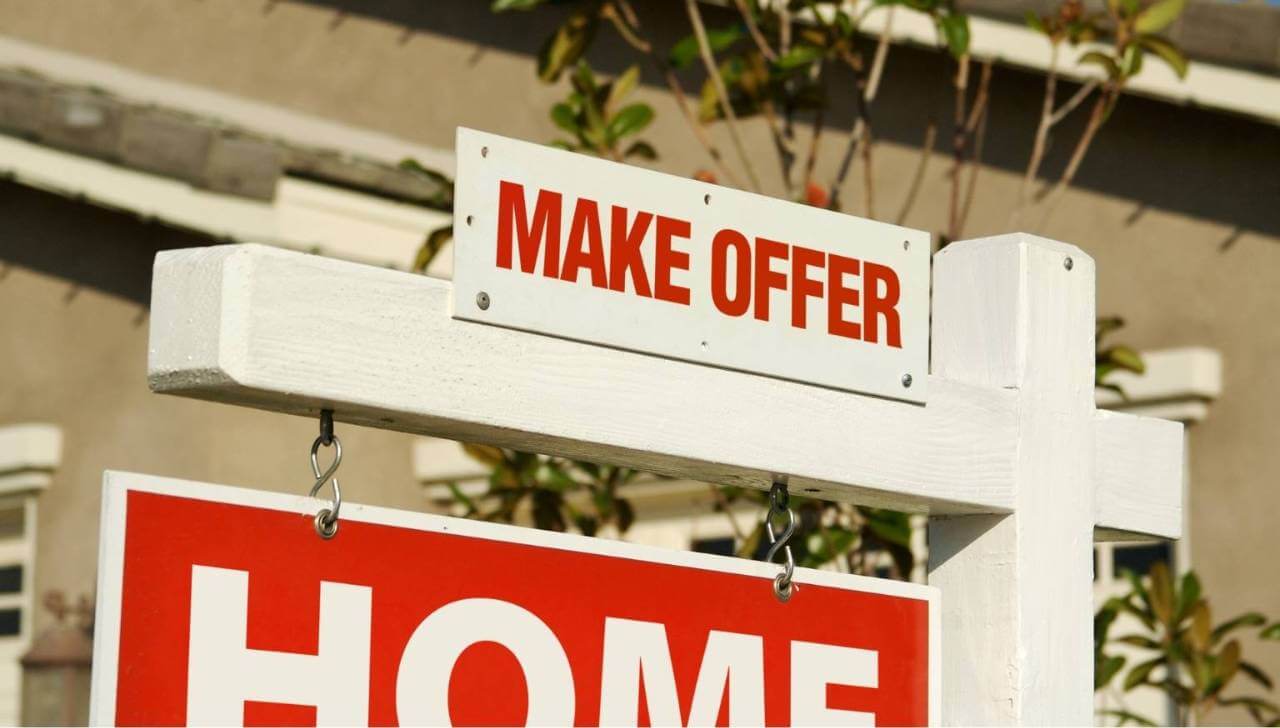
Pending does not mean the property is sold. Buyers often assume the deal is finished, but pending sales can fall through. When that happens, the home usually returns to the market and becomes available for new buyers.
Common Contingencies in a Pending Sale
Most pending transactions include contingencies that must be met before closing. These typically involve:
- Mortgage approval from the buyer’s lender
- A satisfactory home inspection
- An appraisal that supports the agreed purchase price
Why the Status Matters: The pending status shows progress in the transaction but also highlights potential risks. According to the National Association of Realtors (NAR), about 5–7 percent of pending sales do not reach closing, often due to financing or inspection issues.
How Long Does a House Stay Pending?
Across the United States, a home usually stays in pending status for 30 to 60 days before closing. This period gives buyers and sellers time to complete essential steps such as loan approval, appraisals, title reviews, and document preparation. Several conditions can influence how long a sale remains pending:
- Financing approval – Lenders must review income, assets, and credit history before granting final approval.
- Appraisal – The property must appraise at or above the agreed purchase price.
- Title checks – Title companies verify that the property is free of liens or legal disputes.
In competitive markets such as Los Angeles, homes often close faster due to high demand and limited inventory. The California Association of Realtors (car.org) notes that many transactions in hot markets can wrap up in less than a month when financing and contingencies are addressed quickly.
At ID Mortgage Broker, we worked with a Los Angeles client who closed in just 21 days. Because the buyer secured conventional loan pre-approval in California and provided documentation promptly, the process moved far quickly than the national average.
Pro Tip:
- Buyers can significantly shorten the pending period by getting a “fully underwritten” pre-approval rather than a standard pre-qualification. This means an underwriter has already reviewed your finances before you even make an offer, potentially cutting the closing timeline from 30 days down to 15 or 20.
Can You Make an Offer on a Pending House?
A property listed as pending may still accept additional offers, but the process differs from a regular purchase. In these cases, a buyer can submit a backup offer, which places them next in line if the first contract does not close.
When a buyer submits a backup offer, the seller can approve it with the understanding that it only becomes valid if the initial sale falls through. This approach gives buyers a chance to secure the property without competing on the open market. However, there is no certainty that the home will return to availability.
Across the United States, backup offers are permitted but not always taken into consideration. Each market has its own practices, and sellers decide whether to accept them. In California, some Multiple Listing Service (MLS) platforms label homes as “Pending – Accepting Backups”, signaling that additional offers may be submitted.
Pro Tip:
- When submitting a backup offer, keep it “clean.” Since the seller is already stressed about the current deal potentially falling through, a backup offer with fewer contingencies (or a flexible closing date) is much more likely to be accepted than a higher offer that is complicated or demanding.
Strong backup offers give the seller confidence that you can move quickly if the first deal falls through. The goal is not only to offer a good price but also to show that your financing, timeline, and terms are reliable.
A strong backup offer may include:
- Mortgage pre-approval: This shows the seller that a lender has already reviewed your basic financial details.
- Proof of funds: This helps confirm that you have money ready for the down payment and closing costs.
- Competitive offer price: Your offer should be realistic for the market without creating appraisal problems.
- Reasonable contingencies: Fewer delays can make your offer more attractive, but you should still protect yourself.
- Flexible closing timeline: Matching the seller’s preferred schedule can improve your chances.
- Fast response time: Sellers may prefer buyers who can sign documents and provide updates quickly.
Before submitting a backup offer, speak with a mortgage broker to confirm your loan readiness. Higher offers can still lose if financing is weak or the terms are too difficult to manage.
Sale Pending vs. Under Contract
Understanding the difference between sale pending and under contract matters for both buyers and sellers. These terms often appear in property listings, yet they describe different stages of a real estate transaction. The table below outlines the main distinctions and shows how California MLS systems define them.
| Status | Definition | California MLS Context |
|---|---|---|
| Under Contract | Seller has accepted an offer, but contingencies such as financing, inspection, or appraisal remain. | Often marked as under contract when conditions are still active. |
| Sale Pending | All major contingencies have been satisfied, and the sale is moving toward closing. | Marked as pending when the property is close to finalizing. |
| Process Stage | Under contract = earlier stage with open conditions. Pending = later stage closer to closing. | MLS generally distinguishes between the two to clarify timing. |
| Key Difference | Under contract means work remains. Pending indicates conditions cleared. | California systems make this distinction clear in most listings. |
| Extra Resource | Learn more about contracts and closings at HUD.gov. | HUD provides guidance on buyer and seller responsibilities. |
Pro Tip:
- If a home is listed as “Under Contract,” ask your agent to call the listing agent to gauge the “strength” of the current deal. If the listing agent sounds hesitant or mentions the current buyer is having trouble with their lender, that is your signal to stay aggressive and ready to swoop in
What Can Make a Pending Sale Fall Through?
Not every pending sale makes it to closing. While most transactions move forward, some collapse when problems arise that cannot be resolved in time.
Common Reasons for a Failed Pending Sale
- Financing denial – A buyer may lose mortgage approval if income, assets, or credit history cannot be confirmed.
- Appraisal gap – When the property appraises below the agreed purchase price, lenders may hesitate to approve the loan.
- Inspection surprises – Serious issues uncovered during inspection, such as structural damage or safety hazards, can halt the process.
- Title disputes – Outstanding liens or ownership claims may block a clear transfer of the property.
In Los Angeles, appraisal gaps are a frequent challenge because home values rise quickly. Buyers may agree to pay above the appraised value, but not every lender allows that difference to be financed.

At ID Mortgage Broker, we assisted a buyer whose appraisal came in lower than the contract price. By restructuring the loan through options such as no-document loans and reviewing financing alternatives, the deal was preserved, and the client closed successfully.
Pro Tip:
- The “Quiet Period” is crucial. Many buyers mistakenly think their loan is done once the initial approval comes through. Lenders do a final soft credit pull just days before closing. To prevent the sale from collapsing at the finish line, do not open new credit cards, buy furniture on credit, or co-sign loans for anyone else until the deed is recorded.
Buyer and Seller Tips During the Pending Stage
The pending stage can bring uncertainty, but the right actions help reduce delays and keep the sale on track. Both buyers and sellers play a role in moving the process forward.
For Buyers
- Stay in touch with your lender and agent. Quick responses keep the process moving and prevent unnecessary hold-ups.
- Keep your finances stable. Avoid new credit applications or major purchases that could disrupt loan approval.
- Schedule inspections without delay. Early inspections allow enough time to address problems before they affect closing.
For Sellers
- Prepare documents early. Have title records, disclosures, and other paperwork organized and ready for review.
- Maintain the property. Keep the home in good condition to avoid setbacks if re-inspections are required.
- Stay open to backup offers. If the first deal fails, having interested buyers lined up can shorten the time before closing or relisting.
What Happens After a House Goes Pending?
Once a house goes pending, the sale moves into the closing process. The seller has accepted an offer, but the home is not officially sold yet. Several steps still need to happen before ownership can transfer to the buyer.
During this stage, the buyer, seller, lender, escrow company, title company, and real estate agents work through the final requirements. Common steps include:
- Escrow is opened to properly manage funds, documents, and contract deadlines.
- The home inspection is conducted to assess the property’s condition and identify potential repair issues.
- The appraisal is ordered so the lender can confirm the home supports the agreed purchase price.
- The lender reviews final loan conditions, including income, credit, assets, and updated documents.
- Title checks are completed to confirm there are no liens or ownership issues.
- The final walkthrough and closing happen before documents are signed and the sale is recorded.
For buyers, this stage is where strong financing matters most. Staying responsive, avoiding new debt, and submitting lender documents quickly can help prevent delays before closing.
Why Work with ID Mortgage Broker in California
Buying a home in California often moves quickly, especially in Los Angeles, where competition is intense. Partnering with a skilled mortgage broker can make the difference between closing on a property and missing the opportunity.
1. Local Expertise
ID Mortgage Broker has deep experience in California’s real estate market. We understand the pace, regulations, and unique challenges buyers and sellers encounter, and we guide clients with strategies suited to local conditions.

2. Wide Range of Loan Programs
We provide access to multiple financing options, including conventional loans in California, investment property loans, and no-document loans. This variety allows us to match buyers with programs that align with their needs and goals.
3. Proven Track Record
Our team has supported clients through complex transactions, securing rapid approvals and restructuring loans when challenges threatened to stall the deal. These outcomes reflect our commitment to helping buyers move forward with confidence.
Moving Forward with Confidence
A pending sale status should not discourage buyers who are serious about securing a home. It shows that an offer has been accepted, but it does not guarantee the sale will close. Financing issues, appraisal gaps, or unexpected inspection results can cause a pending deal to collapse. Buyers who remain prepared still have a chance to step in if this happens.
The most effective approach is to stay focused and ready. Securing pre-approval strengthens a buyer’s position, while submitting a backup offer can provide an opportunity if the first contract falls through. Sellers can also reduce delays by keeping documents organized and ensuring the property is maintained for any required follow-up.
Work with ID Mortgage Broker for clarity, speed, and expert support in California real estate transactions. With the right guidance, you can move forward with confidence and secure your next home.
FAQs
Is the sale pending the same as sold?
No. Sale pending means the seller has accepted an offer, but the home has not officially sold yet. The sale only becomes final after closing, when all documents are signed and ownership transfers.
Can a pending sale still fall through?
Yes. A pending sale can still fall through if the buyer loses loan approval, the appraisal comes in low, the inspection finds serious issues, or a title problem delays closing.
Can you make an offer on a pending house?
Yes, but it is usually treated as a backup offer. This means your offer only moves forward if the first buyer cannot complete the purchase.
How long does a pending sale take to close?
Most pending sales take about 30 to 60 days to close. Cash deals may close faster, while loans, appraisals, inspections, or title issues can extend the timeline.