
Key Takeaways:
- You can identify common real estate scams by looking for red flags like high-pressure tactics, suspicious email addresses, or requests for money before any paperwork is signed.
- Always verify the identity of your agent or lender by calling their official office phone number to confirm that any instructions you received are legitimate.
- Never trust last-minute changes to wire instructions and always use secure portals instead of regular email to share your sensitive financial information.
In a fast-moving market, it is easy to feel rushed. Racing to submit an offer or trying to close a sale quickly, the high stakes of property transactions create a perfect environment for bad actors. Scammers thrive on this pressure, often using a combination of artificial urgency, fake identities, and sophisticated fake paperwork to divert funds or steal personal information.
At ID Mortgage Broker, we believe that education is the strongest defense against real estate scams. Because these transactions involve life-changing sums of money, the emotional weight can sometimes cloud our judgment. In this guide, we will break down the most common property scams and housing fraud tactics currently targeting the market.
Quick Navigation Links:
- What are Real Estate Scams?
- Why Buyers and Sellers Get Fooled
- Red Flags You Should Never Ignore
- Home Buying Scams Before You Make an Offer
- Realtor Scams and Agent Red Flags
- Real Estate Buyer Scams Sellers Should Know
- How To Avoid Real Estate Scams
- Quick Verification Checklist And Call Script
- If You Think You’ve Been Scammed
- Your Next Step: Buy Safely With A Licensed Pro
- FAQs
What are Real Estate Scams?
When we discuss what real estate fraud is, we are describing the intentional use of a property-related transaction to steal money, sensitive identity data, or legal ownership of a home.
In the modern era, real estate fraud has evolved alongside technology. We are seeing a significant rise in transaction fraud because of the shift toward online communication and digital payments.
Scammers no longer need to meet you in person to execute deed/title fraud or wire transfer theft. They can operate from anywhere in the world, impersonating professionals through email and text.
The scale of the problem is backed by hard data. According to the FBI’s Internet Crime Complaint Center (IC3) 2024 Annual Report, “Real Estate” remains a top-tier reported crime type, with 9,359 complaints filed in 2024 alone.
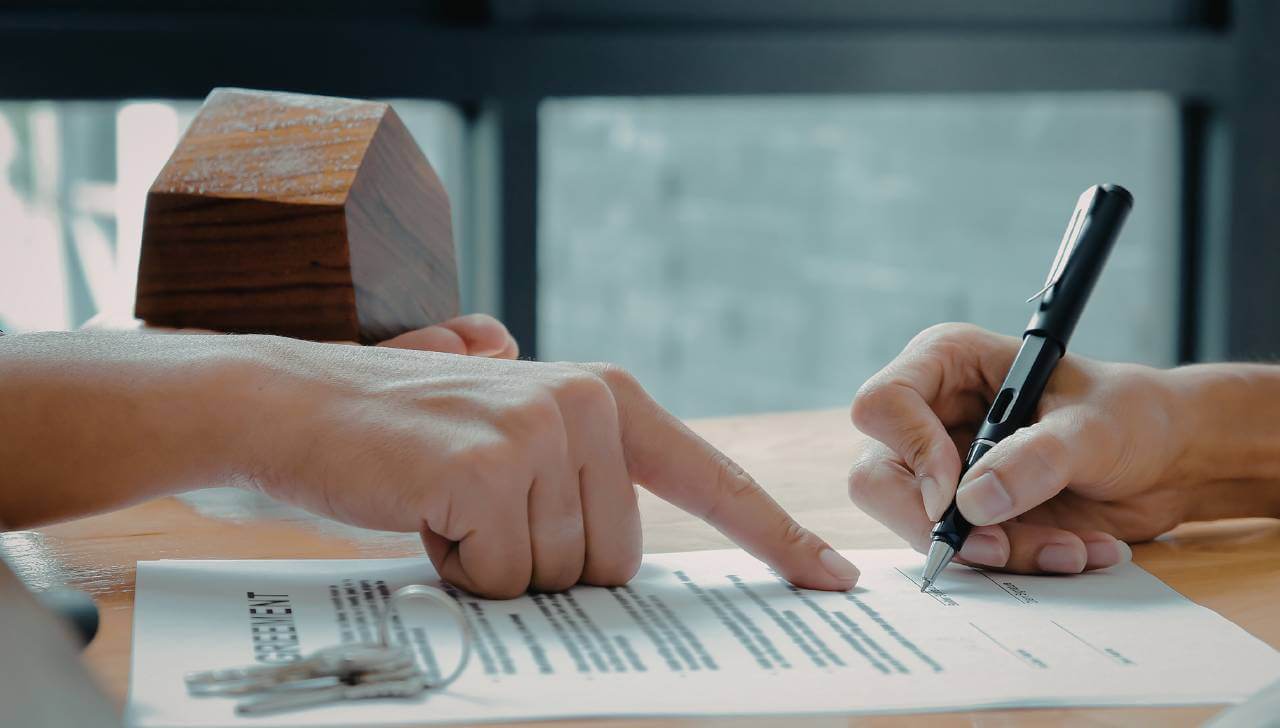
These types of real estate fraud range from sophisticated business email compromise (BEC) schemes to simpler rental listing deceptions, all designed to exploit the complexity of the home-buying process.
Why Buyers and Sellers Get Fooled
Even the most cautious people can fall victim to home buyer scams because fraudsters specialize in psychological manipulation. First, they use pressure and emotions—specifically the “fear of losing out” (FOLO) on a dream home to make you skip due diligence.
Second, they employ “authority” tricks by impersonating a trusted figure like a fake agent, a fake lender, or a high-end buyer.
Finally, they leverage “convenience” tricks. In a world of instant gratification, we are often tempted to use texting or personal email rather than secure portals.
Scammers know this and use phishing to intercept communications. We want to remind you that legitimate professionals expect you to verify their identity; they will never be offended by your caution.
Pro Tip:
- Set up two-factor authentication on your email account before you start your home search. Since most scammers gain access to your deal by hacking into personal email accounts, this one simple step can block them from seeing your private transaction details.
Red Flags You Should Never Ignore
Recognizing common real estate scams starts with spotting the warning signs. If you encounter any of the following scam signals, stop the transaction immediately:
- “Pay first, paperwork later”: Any demand for money before you have seen a contract or the property.
- Sudden changes to payment instructions: This is a major fraud red flag, especially for wire transfers.
- Unwilling to meet/verify identity: Scammers often claim to be “out of the country” or “on an emergency.”
- Strange email domains: Look for slightly-off names (e.g., @realtor-office.com instead of @realtor.com).
- Overly perfect promises: Guaranteed approval, instant closing, or “no questions asked” deals are rarely legitimate.
- Refuses standard documents: They may avoid providing written details or state-required disclosures.
To ensure you are on the right track, it helps to know what documents you need to buy a house so you can spot when something is missing.
Pro Tip:
- Adopt a ‘voice-to-voice’ rule for all money transfers. Never rely on a text or email for banking info. Always call your title officer at a number you’ve used before and have them read the account numbers to you over the phone before you hit send.
Home Buying Scams Before You Make an Offer
Early-stage house-buying scams often hit when you are at your most vulnerable: searching listings and contacting people you found online. These scams target your excitement and your data.
Fake Realtor Scams and Listing Hijacks
In a listing hijack, a scammer copies a legitimate real estate listing (photos and description), reposts it with their own contact information, and lowers the price to attract victims. These fake realtor scams usually end with the “agent” asking for a security deposit or personal info to “hold” the home.
To protect yourself, always look up the agent on the official state licensing board and call the brokerage’s main line to confirm the listing is actually theirs. Realtor scams rely on you not checking the source.
Pro Tip:
- Use Google Reverse Image Search on any listing photos that seem too good to be true. If you see the same house listed on other websites with a different contact person or a much higher price, you have likely caught a scammer in the act.”
House Buying Scams with Fake Fees
We frequently see house-buying scams where victims are asked for an “application fee” or a “background check fee” before they have even toured the property. Some might even ask for a fake “holding deposit” to “reserve a showing.” A safe rule of thumb: never pay upfront fees or fake deposits until you have verified the identity of the person and physically accessed the property with a licensed professional.
Home Buyer Scams with “Guaranteed Approval” Claims
Desperation for financing can lead to home buyer scams involving “guaranteed approval” or “no-doc instant loans.” These are often pitches used to collect your Social Security number for identity theft or to harvest “processing fees.” Remember, a fake pre-approval is useless. Legitimate pre-approval requires basic income/asset checks and a formal credit pull authorization.
Quick Safety Checks for First-Time Buyers
Before moving forward, perform these three checks: verify the license and identity of the person you are speaking with, confirm the listing on a reputable source, and never wire money early. If you need more guidance, look for first-time home buyer help in California to stay safe.
Realtor Scams and Agent Red Flags
This section is for those wondering, “Is my realtor scamming me?” Not all issues are fraud; sometimes it is just bad service. However, there are clear lines that should never be crossed.

Is my Realtor Scamming Me?
Warning signs that go beyond bad communication include an agent pushing you to wire money to a “new account,” refusing to explain their fees, or actively discouraging you from reading the legal documents. Real transparency involves your agent encouraging you to perform a thorough document review. If they are rushing you through the fine print or hiding costs, it is a major concern.
How do You Know if a Realtor is Scamming You
To answer “how do you know if a realtor is scamming you,” look at their verification steps. Check their brokerage license, read independent reviews, and always confirm their identity via a published phone number found on the brokerage’s official website. Avoid replying to random texts or numbers that weren’t part of the initial agreement. These real estate agent scams depend on breaking your normal habits.
How to Know if a Real Estate Agent is Legit
A legit agent checklist includes a valid license check (via the DRE in California), brokerage confirmation, and clarity in their written agreements. You should also understand California real estate commission basics, so you know what normal commission language and licensing requirements look like.
Real Estate Buyer Scams Sellers Should Know
Sellers are also targets for real estate buyer scams. These often involve fake real estate buyers who use deceptive financial documents to tie up your property or steal money.
Fake Real Estate Buyers And Proof-Of-Funds Tricks
We see many cases of fake POF (Proof of Funds) letters and forged bank statements. A scammer might say, “I’ll send a mover today with a check,” then send an overpayment and ask you to wire back the difference. To stay safe, always verify the buyer’s identity, confirm the lender or bank contact independently, and only use a secure, reputable escrow company.
Cash Home Buyer Scams And “We Buy Houses” Traps
Cash home buyer scams often use “buy your house for cash” pressure tactics. These “investors” might use a lowball bait-and-switch or include assignment clauses that allow them to sell the contract to someone else while locking you in. Watch out for “option fees” or vague timelines. If you are exploring these sales, it is better to look into legitimate investment property loan options in California to understand how real investors operate.
Pro Tip:
- If a buyer sends a digital ‘Proof of Funds’ letter, don’t take it at face value. Look up the bank’s official branch number yourself and call to confirm that the person named actually holds an account with those funds.
How To Avoid Real Estate Scams
To avoid fraud and prevent scams, we recommend following these non-negotiable action steps:
- Work only with verified, licensed professionals (Agent + Lender + Title/Escrow).
- Use secure portals for document sharing, not random email links.
- Never trust last-minute “updated wiring instructions.” If you get an email saying the account has changed, it is almost certainly a scam.
- Read your estimates and closing paperwork carefully to verify identity and costs.
Financing Safety
Be wary of predatory terms such as excessively high fees or confusing refinance pitches that create a cycle of debt. On closing day, always call your title company using a known, trusted number to verify wire instructions. The Federal Trade Commission (FTC) warns that paying by wire, gift card, or crypto is a major scam sign for property listings—legitimate deals go through escrow.
For more protection, learn how to choose a mortgage broker you can trust and watch for predatory mortgage lending red flags. It is also vital to understand what happens on closing day and have your settlement statement explained by a pro.
Pro Tip:
- Consider creating a new, dedicated email address just for your home purchase. This makes it much easier to spot phishing scams because any ‘real estate’ emails sent to your regular primary inbox will immediately stand out as suspicious.
Quick Verification Checklist And Call Script
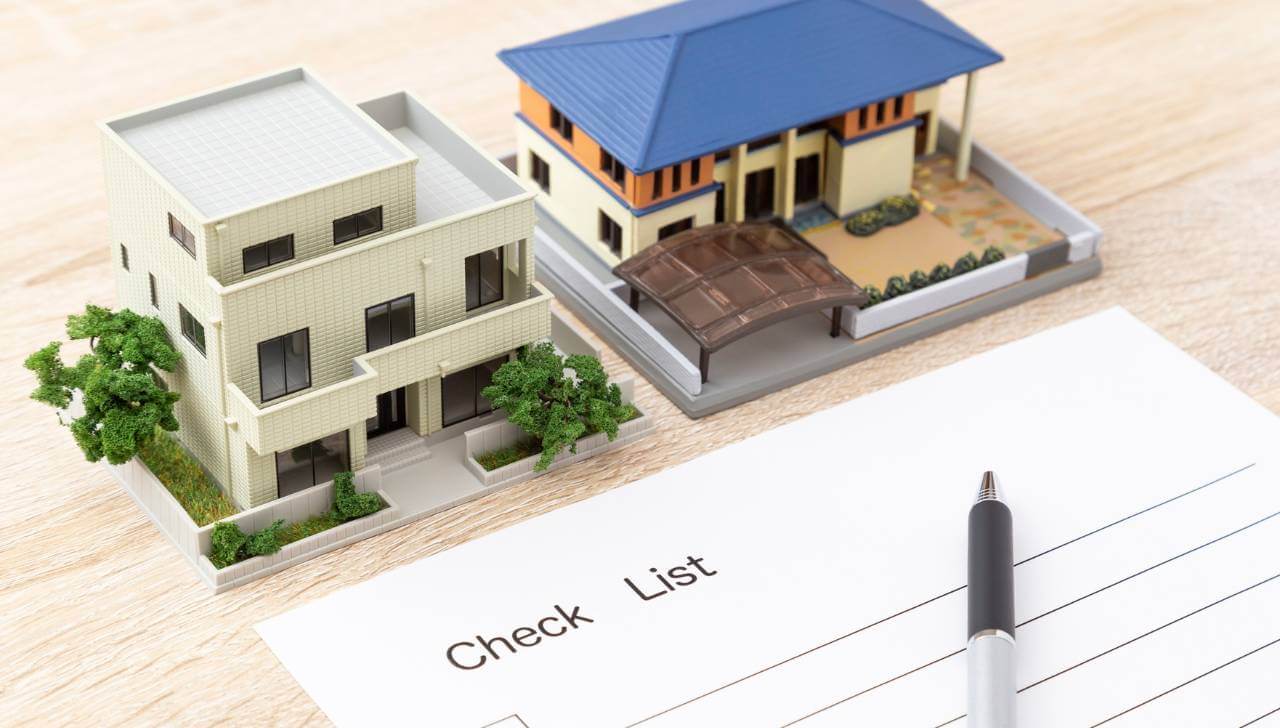
You can verify the legit status of your team in two minutes with this checklist:
- Verify agent identity: Call the brokerage’s main line from Google, not the number in their email signature.
- Verify lender/broker: Check the official site and call the direct office number.
- Verify title/escrow: Confirm identity and credentials before sending any funds.
Call Script
“Hi, I’m calling to verify your identity and the payment instructions I received. Can you confirm the last four digits of the account number and the name of the escrow officer?”
If You Think You’ve Been Scammed
If you suspect you are a victim, you must act fast to recover funds.
- Stop payment immediately: Contact your bank, escrow company, and lender.
- Save proof: Keep all emails, texts, and receipts.
- Secure your identity: Change passwords and freeze your credit.
- Report fraud: File a report with the FTC, your local police, and the FBI IC3 for online crime reporting. These are the essential next steps to limit damage.
Buy Safely With A Licensed Pro
While real estate scams are unfortunately common, they are mostly preventable if you slow down and ask questions. We want you to feel empowered, not afraid. By verifying your team and following secure payment protocols, you can navigate the market with confidence.
Talk to ID Mortgage Broker today to confirm the lender side of your deal, review your paperwork flow, and ensure you avoid risky payment steps.
FAQs
What are the most common real estate scams?
The most frequent scams include wire fraud (hijacking closing funds), rental listing hijacks, and predatory “cash buyer” schemes that use deceptive contracts.
Is my realtor scamming me?
If your agent asks you to bypass escrow, sends you suspicious wire instructions, or refuses to provide a written agreement, they may be engaging in fraudulent activity.
How do you know if a realtor is scamming you?
Look for a lack of transparency, pressure to act without paperwork, or discrepancies between their “official” contact info and the person you are actually speaking with.
How to know if a real estate agent is legit?
A legit agent will have an active license on the state board (DRE), work for a recognized brokerage, and use standard, state-approved forms.
How do you know if a buyer is scamming you?
Common signs include “overpayment” check scams, refusal to provide a legitimate Proof of Funds, and high-pressure tactics to sign “assignment” contracts.
What are cash home buyer scams, and how do you avoid them?
These scams involve investors who bait-and-switch the price at the last minute or lock your title in a contract they never intend to close. Avoid them by having a lawyer or broker review all “cash offer” contracts.